




Parsedom
- January 20, 2026
- Automation, Data Analysis, Information technology, Web Scraping
Our data engineering and analytics team, recently completed a project for an outsourcing company that wanted to strengthen its hiring and placement strategy in the UK for Python programming job market. The goal was to identify where the demand is highest, which skills are most valued, and which roles receive fewer applications but offer strong career stability.
For this project, we built the data pipeline using an Apify Actor to continuously collect Python job postings from Reed.co.uk. We gathered and processed job listings, capturing structured information such as job titles, salary ranges, locations, employment types, required skills, and descriptions.
We then performed a complete Exploratory Data Analysis to find patterns, trends, and gaps in the market. This allowed us to transform raw job data into actionable insights. The results helped our client focus on less competitive roles with high demand, align candidate skills with market needs, and make data driven decisions instead of relying on assumptions. The same pipeline now enables them to track the market in real time and adjust their recruitment strategy proactively.
Lets move to the insights that we found from the data that we collected:-
Job Type: Stability
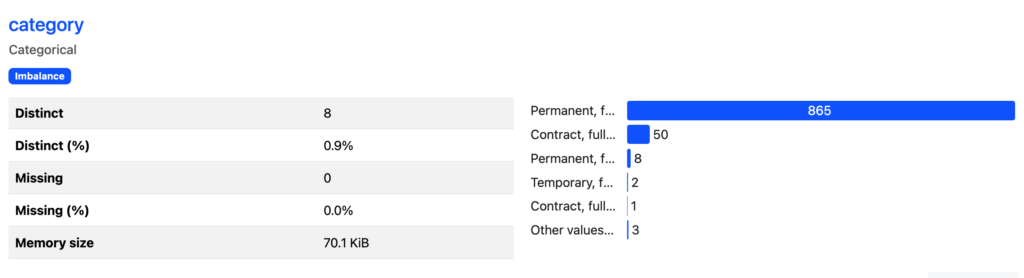
Stability is paramount One of the first observations from the dataset is the dominance of permanent, full-time roles. Of 929 postings: task type calculation permanent, full-time 865 Contract, Full Time 50 permanent, part-time 8 temporary, full time 2 Contract, full-time or part-time 1
Insight: For job seekers, this is reassuring. The Python market values long-term commitment, and there is a strong opportunity to build a stable career. Flexible or part-time roles exist but are limited.
Salary Insight:
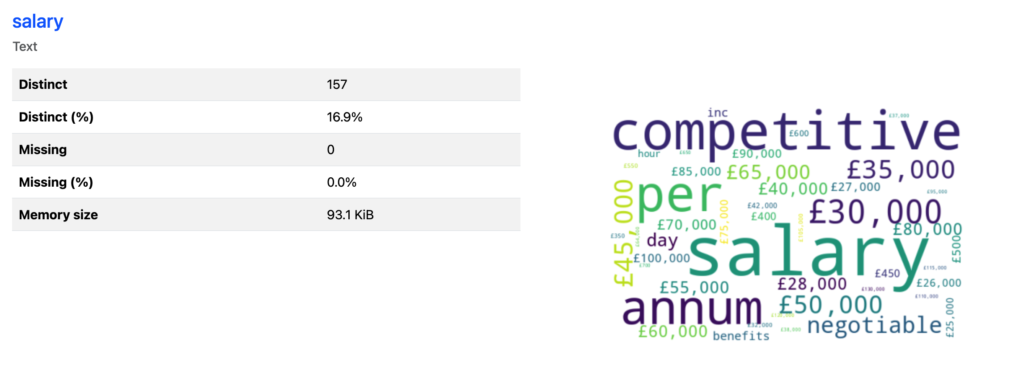
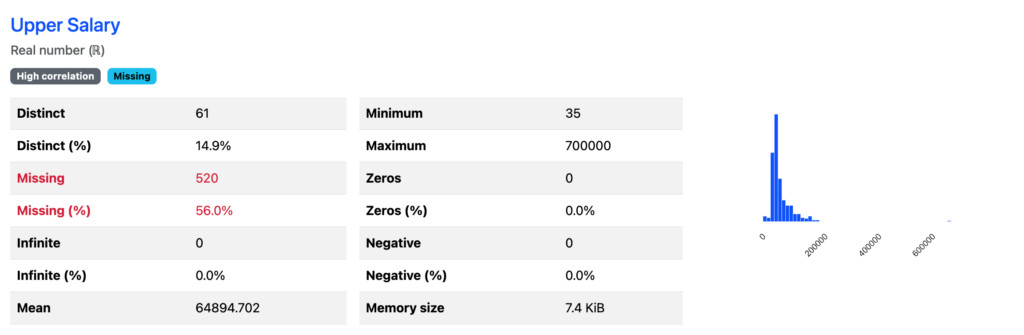
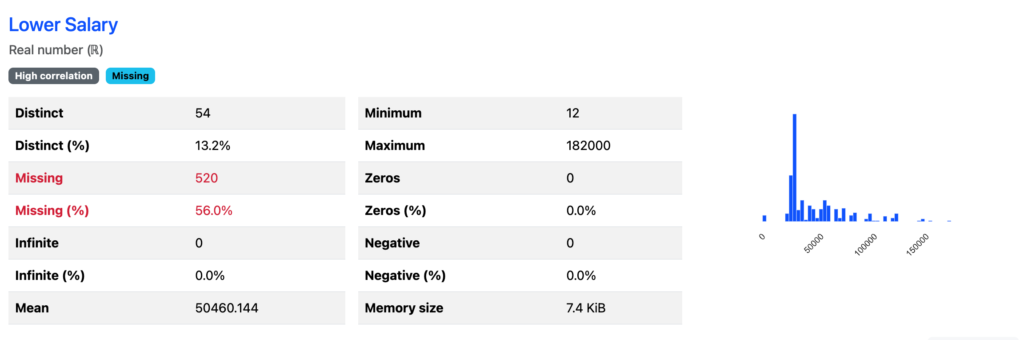
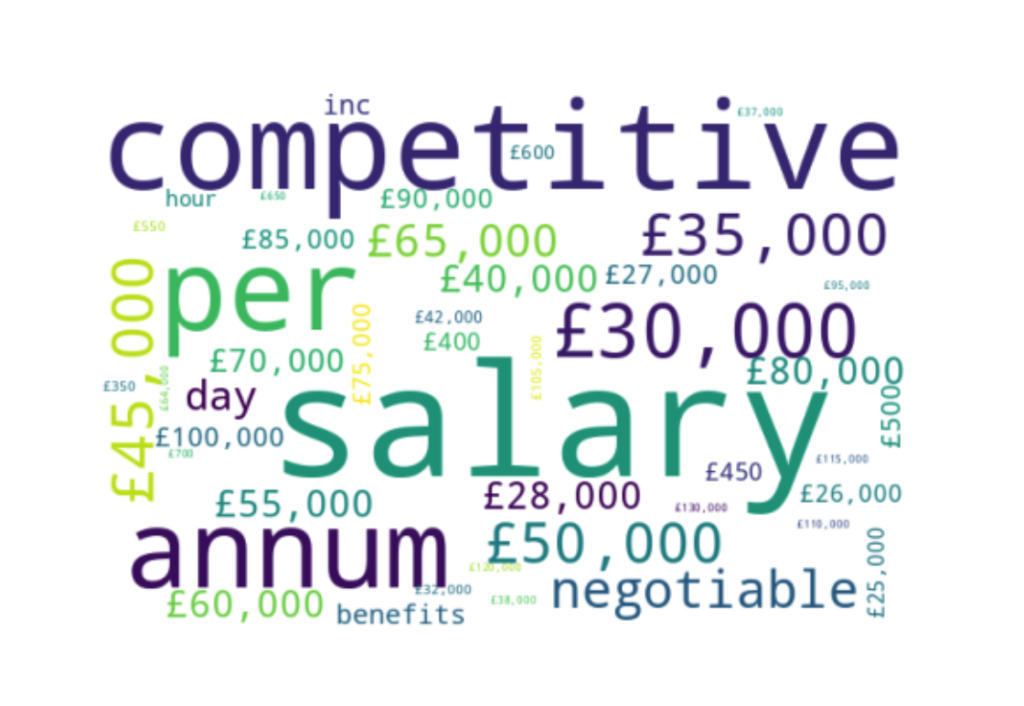
What You Can Expect Salary is always an important factor in choosing a position.Recent data says: Salary Type Median (£) Maximum (£) low salary 50,460 182,000 upper salary 64,895 700,000 Average minimum salary: £50,460 Average upper salary: £64,895 Maximum salary: £700,000 Interestingly, salaries are not specified in more than 50% of the listings, highlighting the gap in transparency. From personal experience talking with developers, this often leads to negotiation opportunities, but it also means job seekers need to do homework on industry standards.
Location:
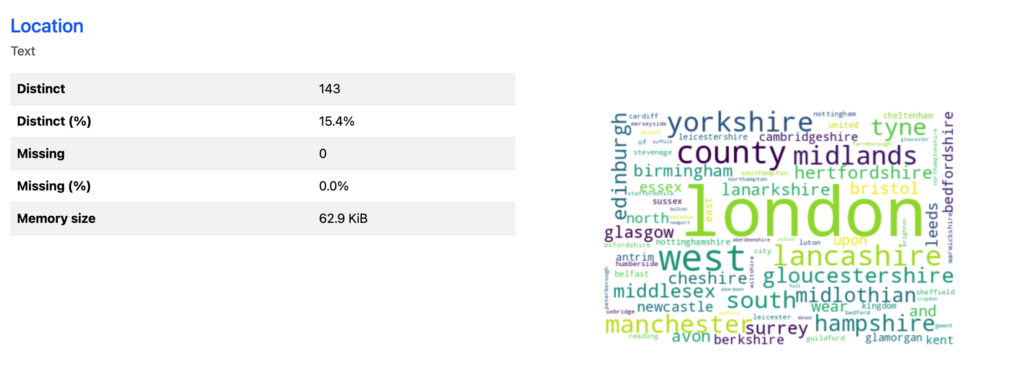
Where are the jobs Python opportunities are concentrated in tech centers but exist across the country. The dataset shows 143 distinct locations, including the largest clusters: city jobs London ~200 Manchester ~100 Birmingham ~50
Tip: If you’re outside of these cities, remote work is becoming common, especially for software and data roles. Flexibility is improving, giving candidates more choices than ever before.
In-demand job roles and skills:
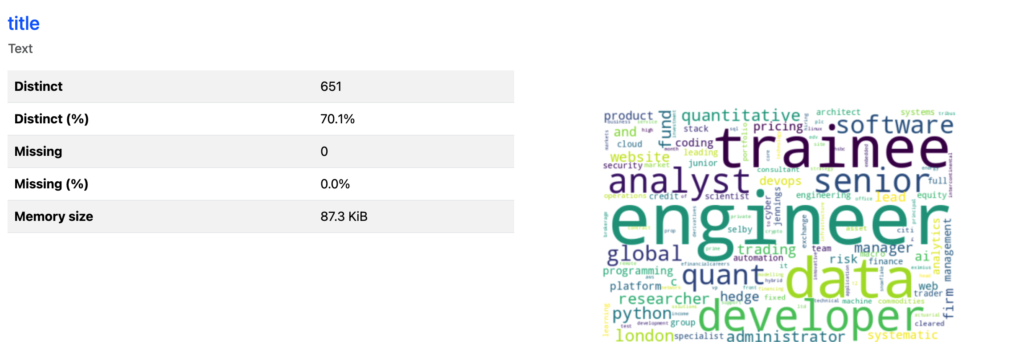
The dataset shows that the majority of postings are for: software engineer, data analyst and web developers Key skills requested include: Python, SQL, Django, AWS/Cloud, Machine Learning/AI skill frequency python 90% SQL 45% Django 30% AWS/Cloud 25% Machine Learning 20%
Human Insight:
Some job descriptions omit requirements entirely (12% missing). Which means employers are sometimes open to candidates who can learn on the job, but having an active skill set is your advantage. Missing job requirements About 111 job listings (11.9%) lacked clear requirements. While this can be frustrating, it also provides opportunity: Employers may prioritize attitude and adaptability over experience alone. Being active highlighting your Python projects, portfolio, or certifications can help you stand out. Trends and Overview Sustainable roles dominate: Sustainability is a major focus for employers.
Upskilling pays:
Python developers with skills like cloud, AI, and machine learning experience earn higher salaries. Salary transparency is limited: Research and networking are key to negotiating effectively. Location flexibility is increasing as remote opportunities are expanding reach beyond traditional tech centers. From a personal perspective, reviewing this data feels like a glimpse into the industry.It’s clear where the opportunities lie and which skills give candidates an edge.
Conclusion
On the basics of collected data we processed, and analyzed, the Python job market. Those collected data for the UK shows strong demand for permanent roles, competitive salary potential, and a growing preference for candidates with cloud, data, and AI-related skills. By leveraging our data pipeline and EDA insights, the outsourcing company was able to target job segments with lower competition but high stability, resulting in a higher placement success rate and improved hiring efficiency in the Python domain.
This project demonstrates how structured data collection, automated pipelines, and analytical modeling can directly impact business outcomes. What was once scattered job information became a strategic asset that helped the company secure more opportunities in the Python field and reduce time-to-placement.
Moreover, our team provides similar solutions for any type of data from data collection, building apify actor and pipeline development to large scale analytics and visualization. Whether it is job market intelligence, competitor analysis, pricing data, or industry research, we help organizations turn raw data into decisions that drive real growth. We also build any kind of software application.